

There is a moment, about forty minutes out of Leknes, when the road bends around a fjord and the whole archipelago opens up in front of you — peaks straight out of the water, a scatter of red fishing cabins, and light that refuses to behave like it's 11pm. That was the moment we stopped checking the itinerary.
This is a placeholder story — replace it with your own. But it demonstrates every element the layout supports, so keep it around while you write.
Why Lofoten, and why slowly
Most Norway itineraries sprint: Oslo, a fjord cruise, Bergen, home. Lofoten rewards the opposite. We gave it seven nights and drove fewer than 300 kilometres in total. The plan wasn't a schedule — it was a shape: two bases, a weather-day buffer, and a short list of things worth waking up at 4am for.
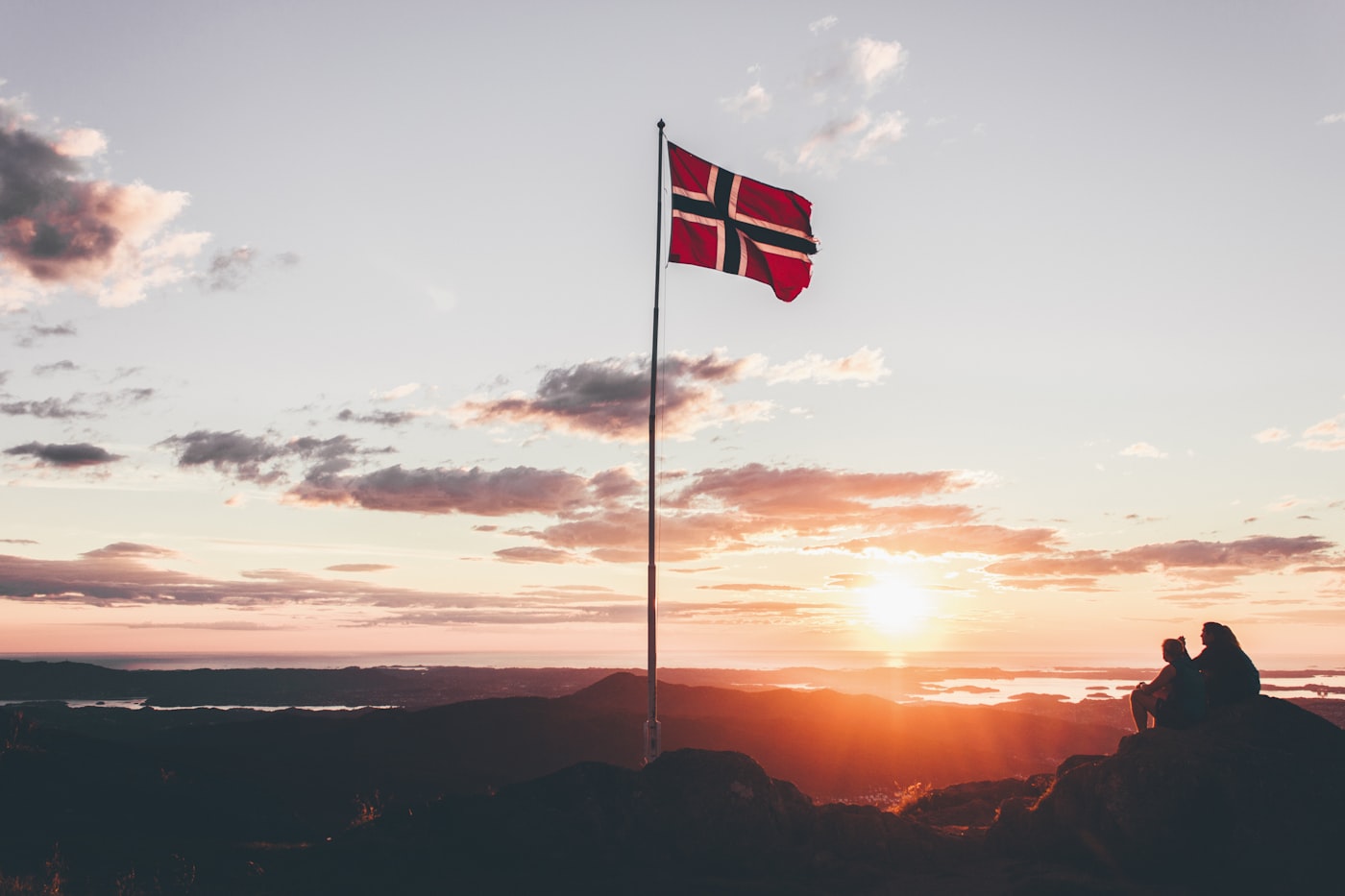
A few things the guidebooks undersell:
- The E10 is the attraction. The main road through the islands is itself the scenic route; every pull-out earns its stop.
- Weather moves in hours, not days. Plans built around a single "hike day" break; plans with a floating buffer don't.
- The quiet villages out-deliver the famous ones. Å and Reine fill with buses by 10am. Vindstad, a ferry-ride away, had more sheep than people.
The best travel days are the ones your itinerary didn't predict — but your planning made possible.
What the plan actually did
Here's the honest part: a trip with no schedule still needed a plan. Ours handled the things spontaneity can't — the rental camper booked months out, the two bases chosen so no drive exceeded ninety minutes, the ferry timetable that runs twice a day and not a minute more, and a packing list that took the 2°C midnight wind seriously in July.
The numbers
Seven nights, two travelers, one campervan: roughly €2,400 all-in from Oslo, of which the van was half. The single best money we spent was €40 on the Vindstad ferry — and the best things we did (Kvalvika beach at midnight, the Reinebringen steps, cinnamon buns in Henningsvær) cost almost nothing.